
- Home
- Sustainability
Adaptive Reuse: The Carbon Logic Behind Every Heritage Vehicle
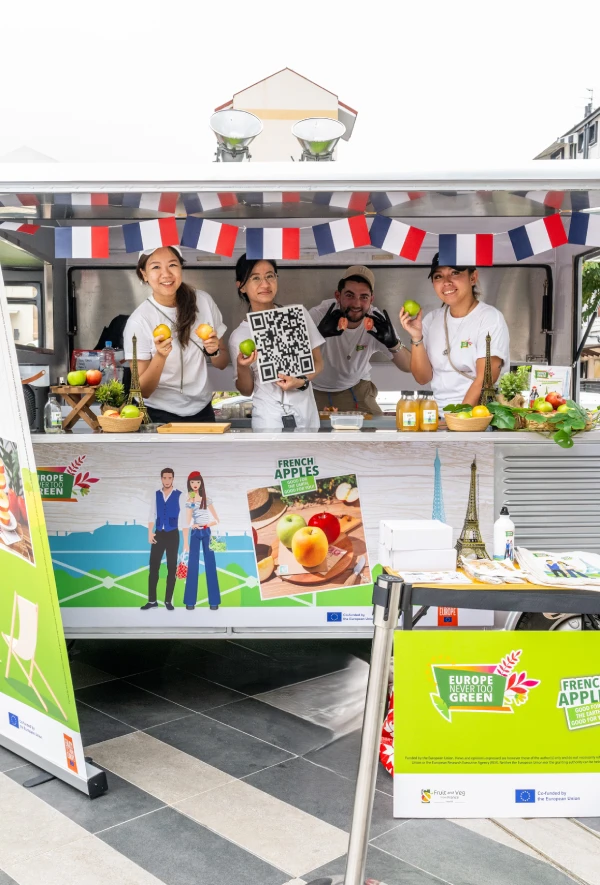
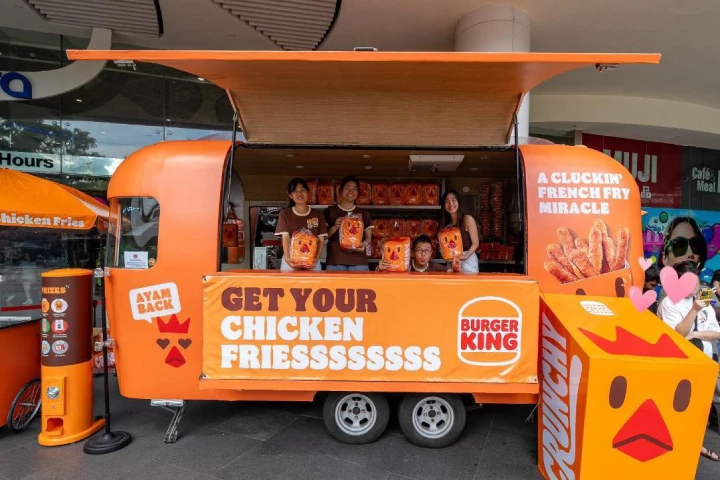
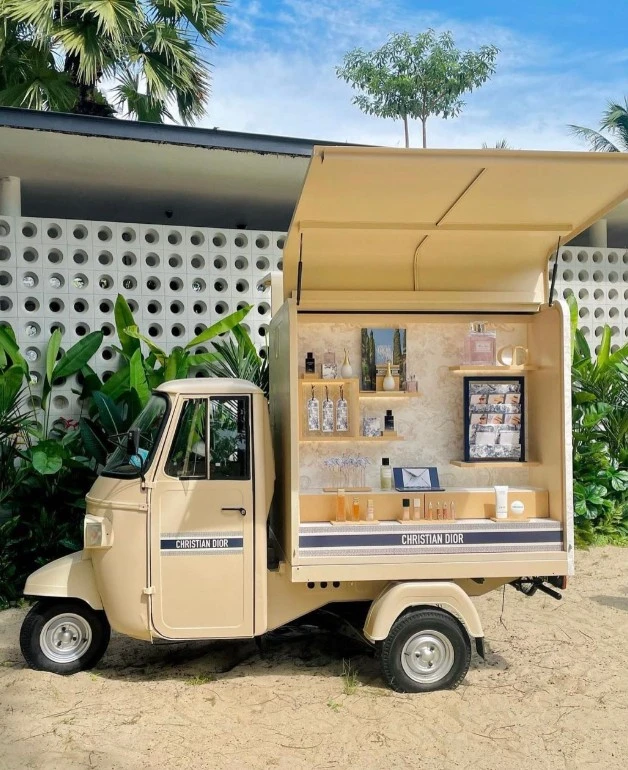
Green heritage activation is a sustainable brand experience delivered on a restored heritage vehicle rather than a newly built one. Because the vehicle already exists, it avoids the embodied carbon of new manufacturing — making your campaign a visible act of adaptive reuse, aligned with the Singapore Green Plan 2030.
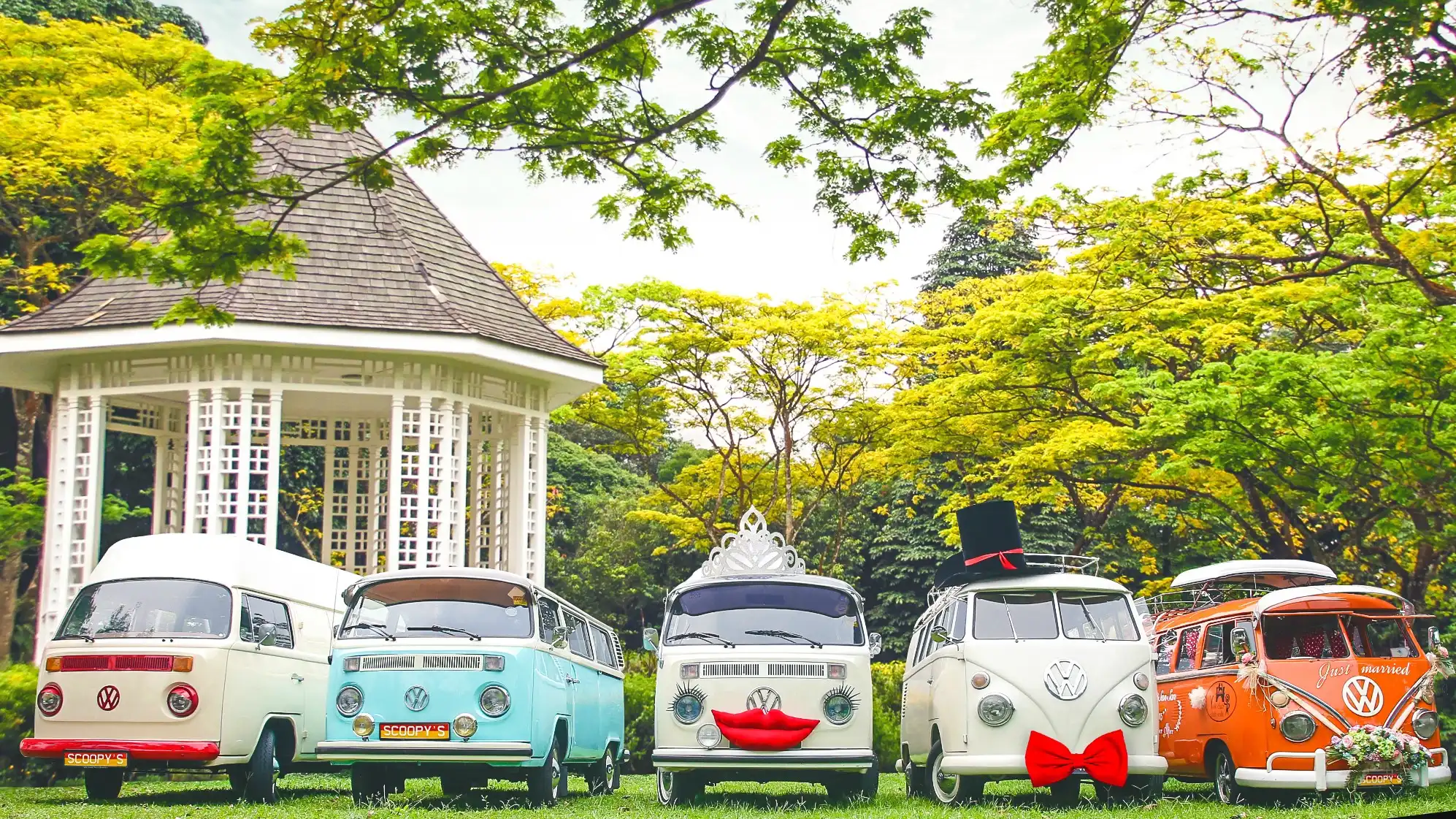
Redefining Sustainability through Adaptive Reuse
In a world obsessed with “new” green technology, we believe in a more profound truth: The most sustainable vehicle is the one that already exists.
Manufacturing a brand-new event vehicle—regardless of its fuel source—requires an immense amount of raw material extraction, energy-intensive factory production, and global shipping logistics. This creates a massive “embodied carbon” footprint before the vehicle even hits the road.
By restoring and maintaining our heritage fleet, we practice Adaptive Reuse. We rescue these icons from the scrapyard and bring them back into functional, active service. When your brand activates on a restored vehicle, you are effectively avoiding the carbon cost of new manufacturing.
03

Adaptive Reuse
Not Just Vintage. That's Adaptive Reuse in Action.

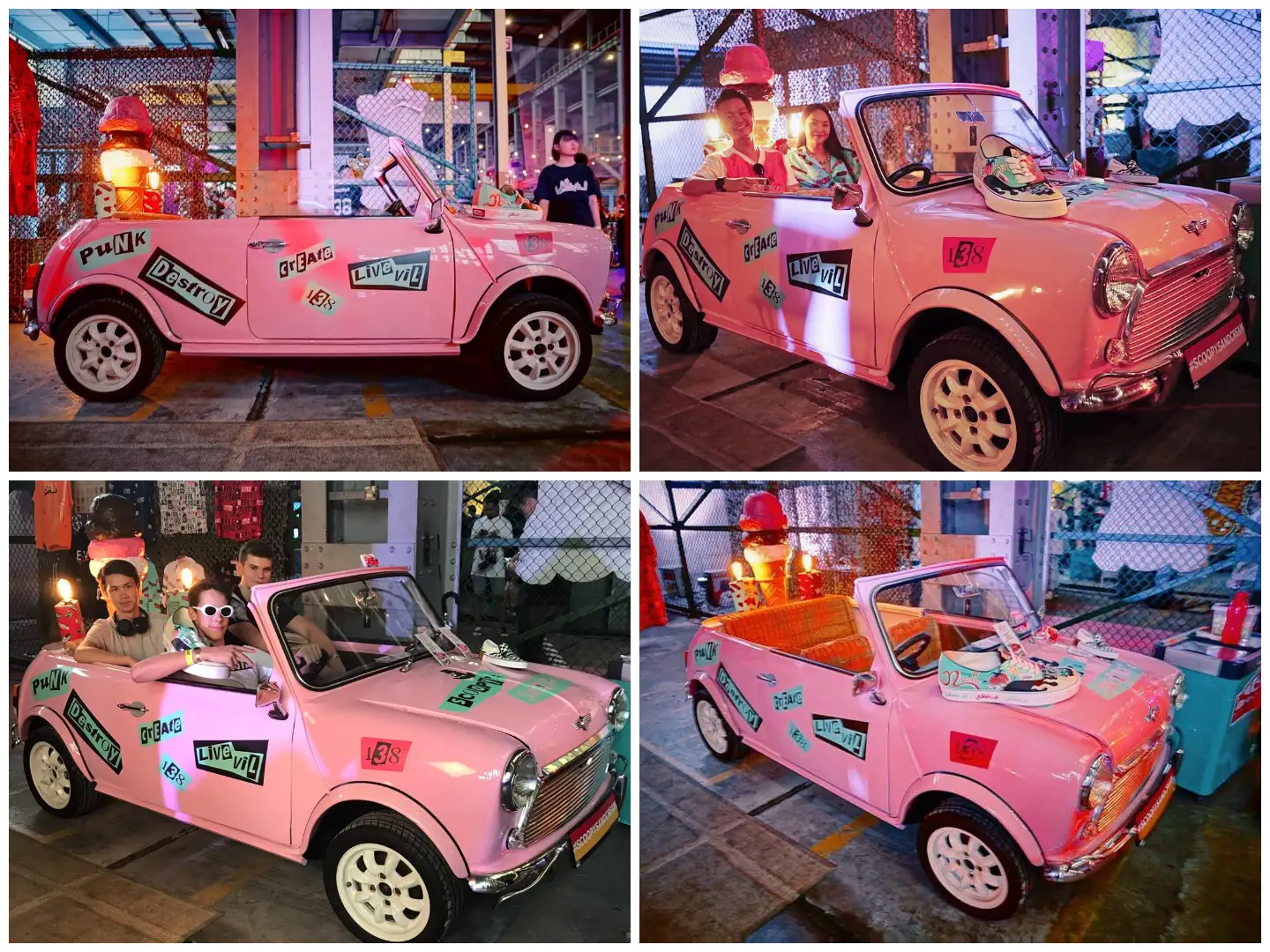
Every vehicle in our fleet is restored, not replaced. Aligned with Singapore’s Green Plan 2030 and Go Green SG. Each hire helps avoid the embodied carbon of manufacturing something new.
01 Reduce
We build nothing new. Hiring a restored classic means one less vehicle manufactured — cutting demand for raw materials and factory emissions.
02 Reuse
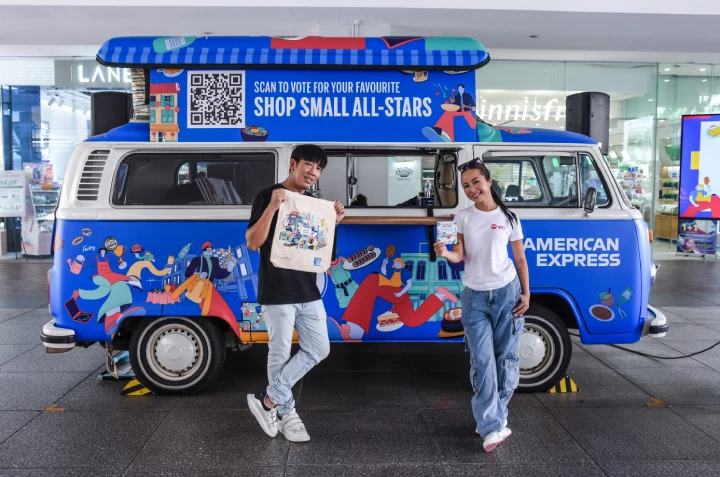
Every vehicle in our fleet is a genuine classic kept in service, not sent to the scrapyard. The same beloved Kombis and vans, reused for event after event.
03 Restore
We rebuild and refit tired vehicles — engines, interiors, bodywork — bringing decades-old classics back to full working life for modern brand activations.
04 Recycle
When parts reach the end of the road, we salvage and upcycle them — reborn as one-of-a-kind automotive furniture and event displays in our custom build workshop.
04
The FAQ
Frequently Asked Questions
Is a vintage truck sustainable?
How do your vehicles support ESG reporting?
Are your events MICE sustainability certified?
Scoopy’s & Cream, our compliance arm, is on track to be MICE Sustainability Certification (MSC) Certified and ISO 20121 (Event Sustainability Management) Certified in the second half of 2026. Today, every activation already applies sustainable practices — adaptive-reuse vehicles, turnkey logistics and waste-conscious operations.
How does Super Ice Cream Truck align with Singapore Green Plan 2030?
What is green heritage activation?
05
HOW WE WORK TOGETHER
How the Pieces Fit Together
The Fleet & The Story
ESG Reporting & Compliance
Carbon Measurement
06
The Golden Thread · Sister Brand
ESG Reporting & Grants? Meet Scoopy's & Cream.
Adaptive-Reuse Activations
Every activation's footprint measured via Green Passport Carbon.
CES Certified · GSTC-Aligned
ISO 20121 & MSC — audits in progress (Q4 2026).
Green Plan 2030 Aligned
Go Green SG · Net Zero 2050 targets
ESG Grants & Incentives
Navigate Singapore sustainability grants
Sister Brand · HQ · Sustainability
Scoopy's & Cream
CES Certified
Certified Eco-Sustainable (achieved). ISO 20121 & MSC audits in progress — on track for Q4 2026 (forthcoming, not yet current).
Adaptive-Reuse Activations
Every activation's carbon footprint is measured and documented through Green Passport Carbon (greenpassportcarbon.com).
Three Websites, One Company
SICT + Scoopy's & Cream + icecreamandicecream.com — all under one Singapore heritage brand family
07
Contact Us
Let's make something memorable.
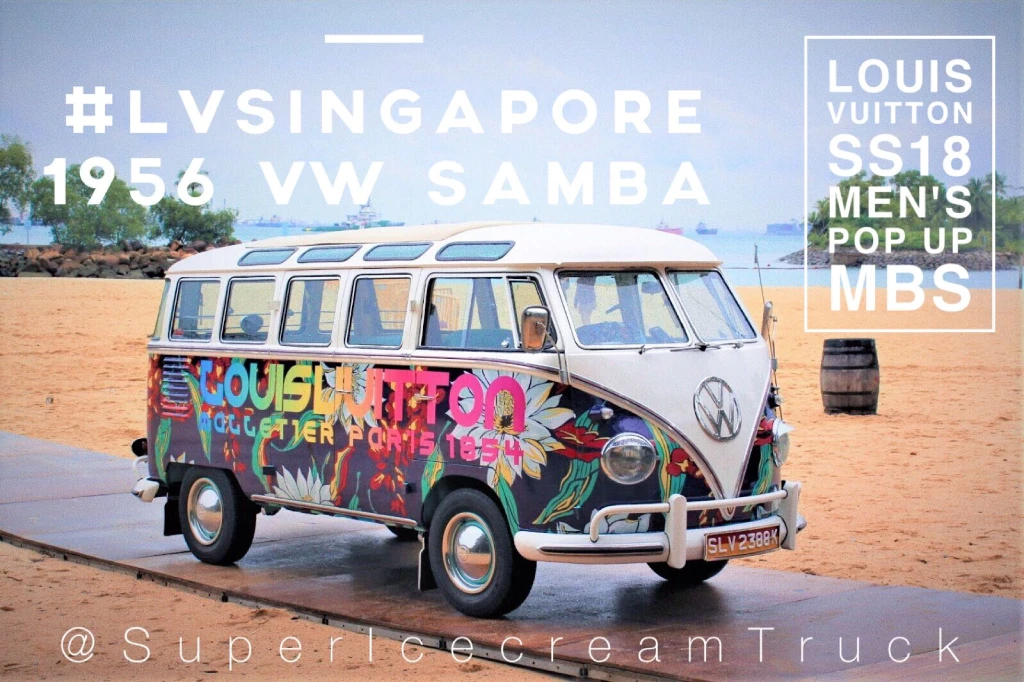
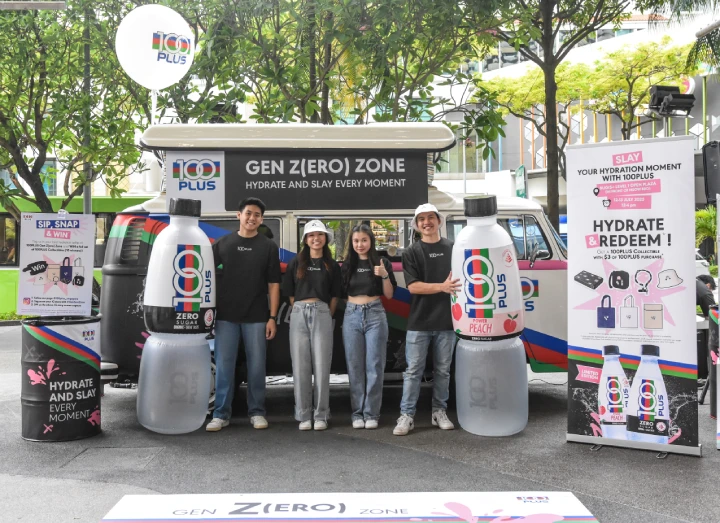
Whether it’s your brand activation, wedding, or a bespoke build — we reply within 2 business hours. WhatsApp is fastest.