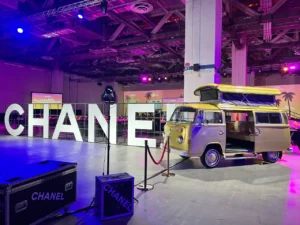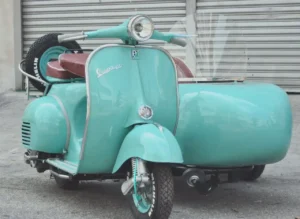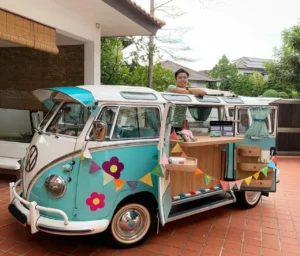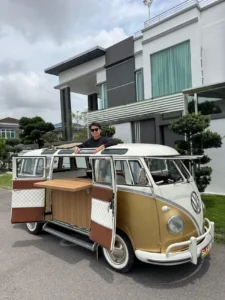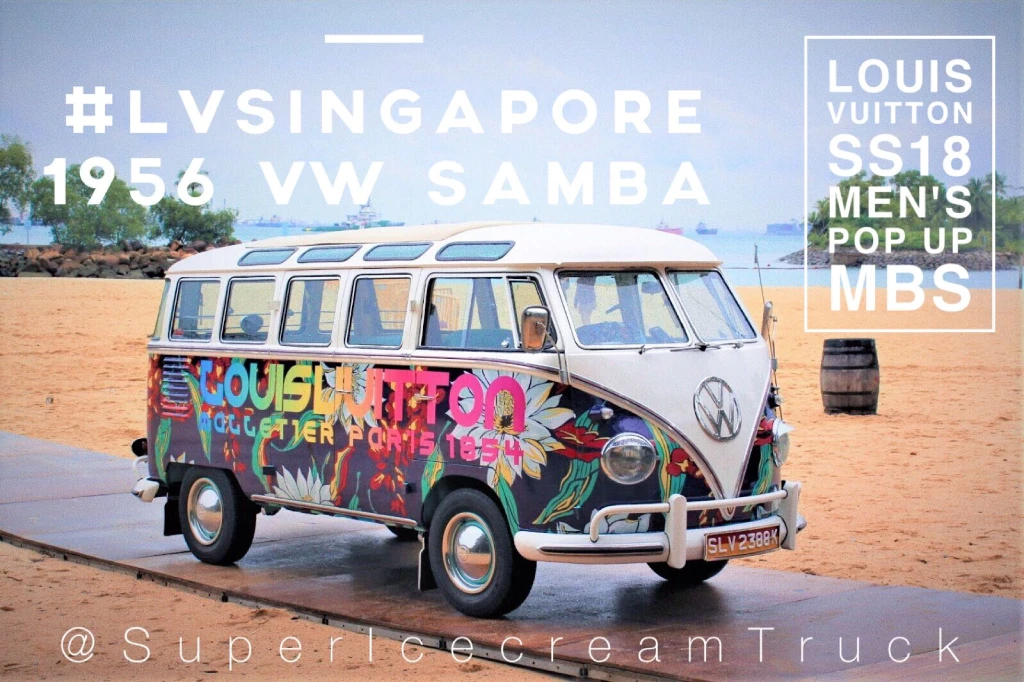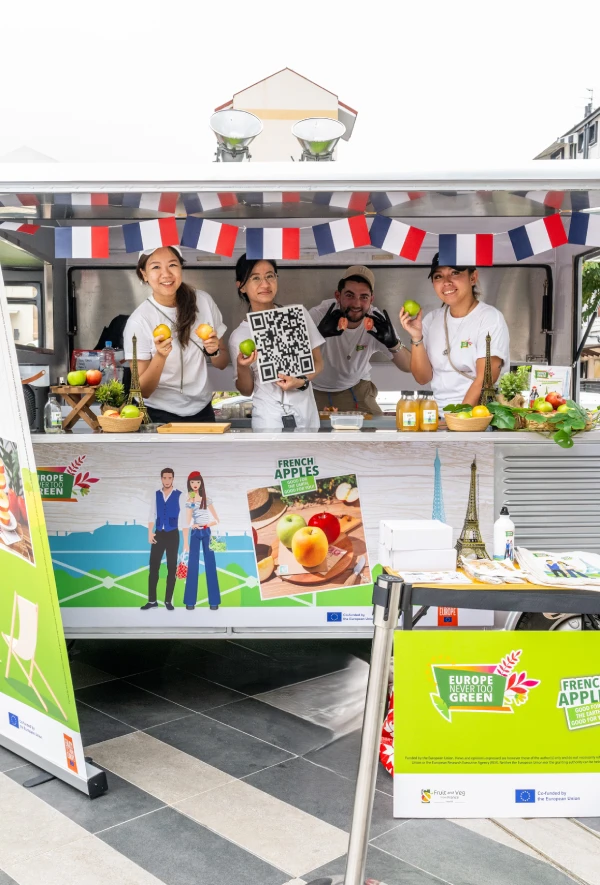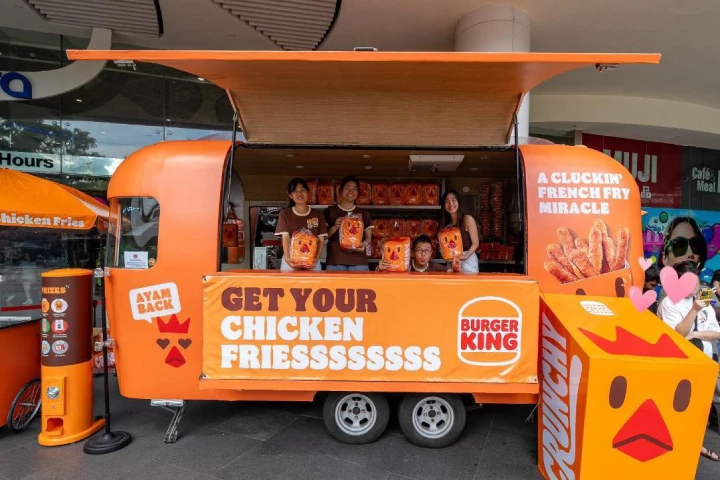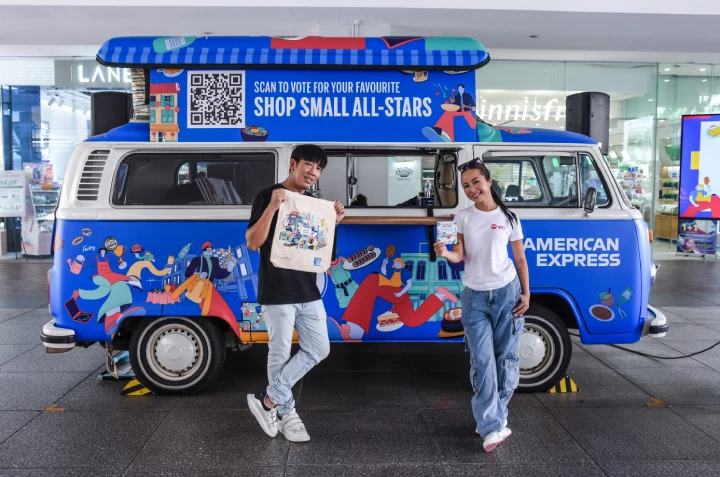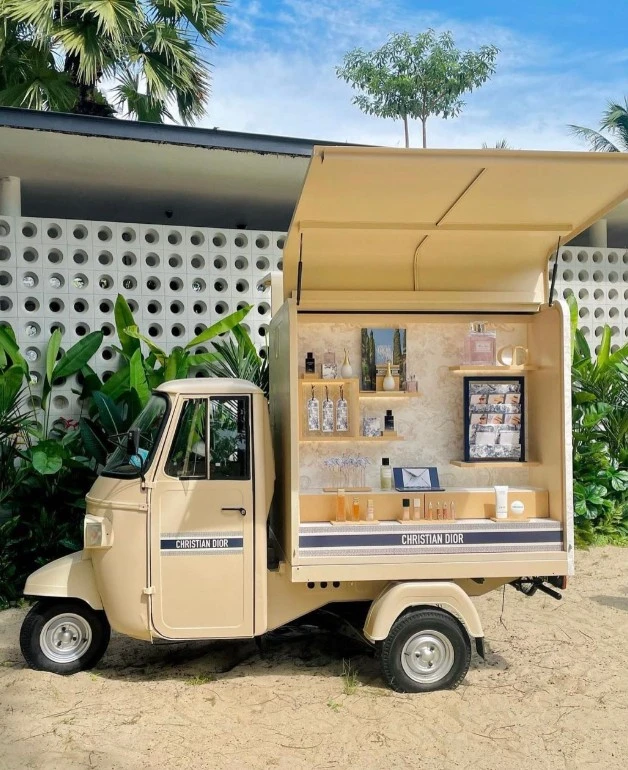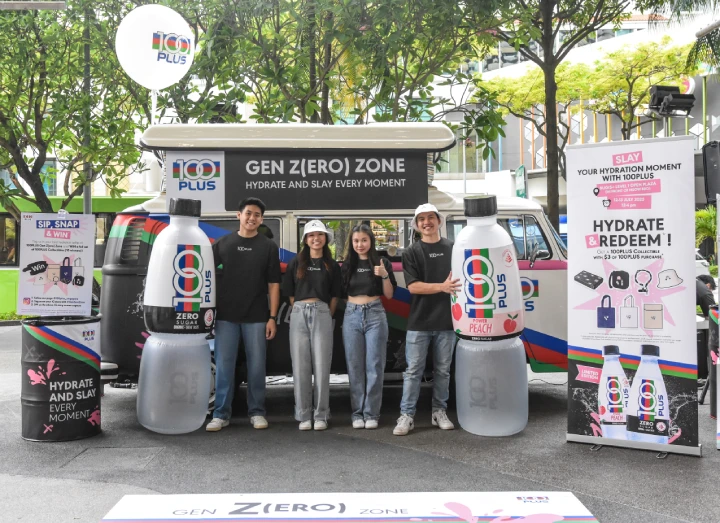
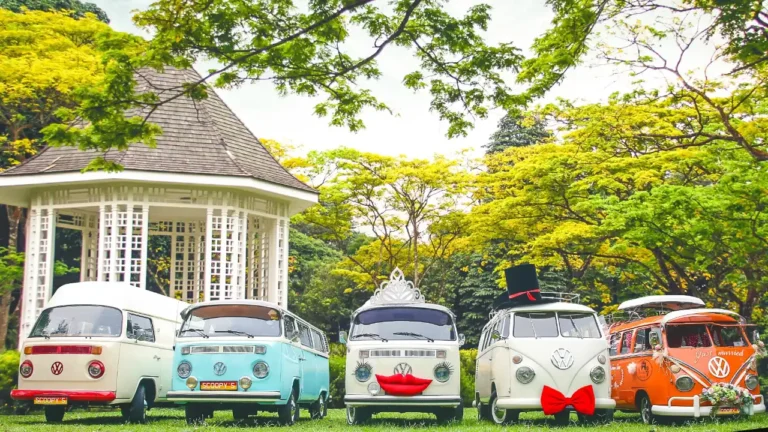
Yes — a restored vintage vehicle can be one of the more sustainable choices for a brand activation in Singapore, because the most sustainable vehicle is the one that has already been built. When we think of “sustainability” we usually picture electric vehicles or brand-new green tech, but in brand activations there is a more profound, often overlooked approach: adaptive reuse. By restoring and reusing a 1950s VW Kombi instead of manufacturing something new, Super Ice Cream Truck keeps an existing asset in a circular loop and avoids the carbon cost of building new. For brands, that turns a vintage vehicle from a pretty prop into a measurable, ESG-friendly choice. Here is the logic, how it aligns with Singapore’s green goals, and what it means for your reporting.
What is “avoided carbon,” and why does it matter?
Manufacturing any new vehicle — electric or petrol — requires huge amounts of energy, mining for raw materials and carbon-heavy logistics. By restoring a 1950s VW Kombi or a classic van, we divert that asset from the linear waste cycle (the scrapyard) and bring it back into a circular loop. This is “avoided carbon”: instead of adding a new carbon footprint to the planet, we maintain and celebrate existing heritage. For a Singapore brand activation, choosing a restored vehicle means the heavy manufacturing emissions were already spent decades ago — you are reusing, not remaking.
How does this align with the Singapore Green Plan 2030?
Singapore is moving toward becoming a zero-waste nation, and a “circular heritage” model aligns directly with the Singapore Green Plan 2030 and the Net Zero 2050 goals. It does so by:
- Reducing the demand for new manufacturing.
- Reusing heritage steel and chassis instead of scrapping them.
- Remanufacturing parts to extend each vehicle’s working life.
For agencies and MNCs running activations in Singapore, this gives a vintage-vehicle hire a credible national-policy alignment, not just a nostalgic look.
How does a vintage vehicle support my brand’s ESG reporting?
For MNCs and agencies, a brand activation is no longer only about how it looks — it is about impact. When you hire a heritage vehicle from our fleet, you are not just renting a prop; you are using a circular asset. Through our sister brand Scoopy’s & Cream, we are building GRI-aligned sustainability data and reporting so you can quantify the sustainability of your activation for your annual ESG reports. On certification: Super Ice Cream Truck is on track to be MICE Sustainability Certification (MSC) Certified and ISO 20121 Certified in the second half of 2026 (forthcoming, not current).
Is a vintage vehicle really greener than a new electric one for an event?
For a short-term event activation, often yes. A new electric vehicle still carries the upfront “embodied” carbon of its manufacture and battery, which a one-off activation cannot amortise. A vehicle built in the 1950s has already paid that manufacturing cost long ago, so reusing it for an event adds far less new footprint than commissioning or building anything new.
A note on heritage: reusing vintage vehicles also keeps alive a disappearing craft of restoration and street-vending culture in Singapore — a social-sustainability dimension alongside the environmental one.
Talk to us about a circular activation: WhatsApp wa.me/6563885337, call +65 6388 5337, or email catering@scoopysandcream.com. Learn more about our circular-economy approach and Brand Activation work. (ESG and MICE reporting via sister brand scoopysandcream.com.)
Frequently Asked Questions
Is a vintage vehicle sustainable for a brand activation?
Yes. A restored vintage vehicle is a sustainable choice for a Singapore brand activation because it reuses an existing asset rather than manufacturing a new one. This adaptive-reuse approach avoids fresh manufacturing emissions, keeping the vehicle in a circular loop instead of the scrapyard while still delivering a striking activation.
Does using a vintage vehicle actually reduce carbon?
Yes. By avoiding the carbon-intensive process of manufacturing a new event vehicle, you significantly reduce the overall lifecycle carbon footprint of your Singapore campaign. The heavy “embodied” emissions of a 1950s vehicle were spent decades ago, so reusing it adds far less new footprint than building anything new.
What is “avoided carbon”?
Avoided carbon is the emissions you prevent by not manufacturing something new. Restoring a vintage VW Kombi diverts it from the scrapyard and back into use, so a Singapore activation reuses an existing asset instead of commissioning new production — avoiding the mining, energy and logistics emissions a new vehicle would require.
How does this align with the Singapore Green Plan 2030?
A circular-heritage model aligns with the Singapore Green Plan 2030 and Net Zero 2050 by reducing demand for new manufacturing, reusing heritage steel and chassis, and remanufacturing parts to extend vehicle life. It supports Singapore’s zero-waste direction while giving brand activations a credible national-policy alignment.
Can I get a sustainability report for my event?
Yes. Through our sister brand Scoopy’s & Cream, we provide ESG and carbon-accountable reporting for activations in Singapore, with GRI-aligned data so you can quantify the impact for your annual reports. Super Ice Cream Truck is on track to be MSC and ISO 20121 Certified in the second half of 2026 (forthcoming).
Is a vintage vehicle greener than a new electric one for an event?
For a short-term activation, often yes. A new electric vehicle still carries the embodied carbon of its manufacture and battery, which a one-off event cannot amortise. A 1950s vehicle already paid that manufacturing cost decades ago, so reusing it for a Singapore event adds far less new footprint.